


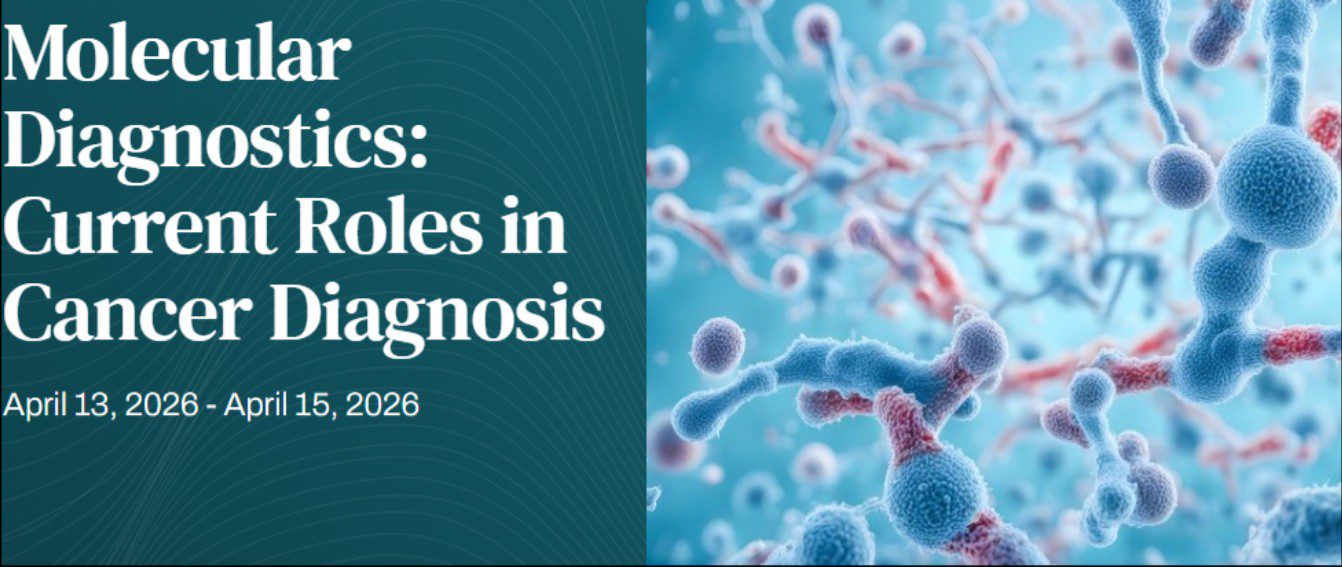
Harvard Molecular Diagnostics Current Roles in Cancer Diagnosis 2026
$ 49.50
Description Description Include: 40 Videos (.mp4) 41 PDFs, size: 5.47 GB Target Audience: pathologists, oncologists, and laboratory directors Information: 1. Overview The Harvard Molecular Diagnostics: Current Roles in Cancer Diagnosis 2026 program provides a comprehensive exploration of the latest advancements and practical applications in molecular oncology. The course covers critical topics such as Next-Generation Sequencing (NGS) pipelines, bioinformatics, liquid biopsies, and tumor-specific molecular markers, empowering practitioners to enhance precision medicine and diagnostic accuracy in clinical settings. Course Date: April 13, 2026 – April 15, 2026 2. Learning Objectives Explain the fundamental principles and methodologies of molecular diagnostics relevant to cancer care. Interpret and apply molecular test results to guide diagnosis, prognosis, and therapeutic decision-making. Communicate molecular test findings effectively within interdisciplinary care teams and with patients. Evaluate the practical considerations of molecular testing, including test selection, cost, and access. Integrate recent advances in molecular oncology into clinical practice to improve patient-centered outcomes. 3. Target Audience Best for pathologists, oncologists, and laboratory directors who want updates on NGS, liquid biopsy, and advanced molecular cancer diagnostics. 4. Topics 01 Integrated Molecular Oncology in 2026 Trends and Tools for Gene Fusion Detection 02 End-to-end Process to Accelerating Treatment Initiation with Next-day NGS 03 Translation of Molecular to Immunohistochemistry 04 Informatics Architecture 05 NGS Pipelines Demystified Practical Bioinformatics 06 Tumor Mutation Burden, MSI, and HRD 07 Indel Detection 08 Viral Sequence Detection and Other Signatures 09 Gene Fusion Detection and Interpretation by RNA-based NGS a Practical, Cased-based Approach 10 Additional Informatics Analyses Detection of Clinically Significant Isoforms and Sub-gene Events through RNA andor DNA-based NGS 11 Oncogenicity Interpretation of Gene Fusions Detected by RNA-based NGS 12 Applications of Long-Read Sequencing for Cancer Diagnostics 13 Liquid Biopsy and ctDNA Technical and Clinical Perspectives 14 Panel Discussion Tissue vs Liquid Biopsy 15 Sarcoma and Fusion Testing 16 Molecular Diagnostics for GYN Tumors 17 Molecular Diagnostics for Pediatric Tumors 18 GU Cancers Molecular Markers (Only PDF, No Video) 19 Copy Number Variation via NGS and Microarray 20 Cytogenomics Technical Focus 21 Cytogenomics Clinical Focus 22 Gliomas and Methylation Profiling 23 Germline Testing in Oncology What, When, and How 24 Tumor-Normal Paired Sequencing Clinical Impact 25 Case Review Pathology Oncology Perspectives 26 Melanoma Molecular Pathology 27 Molecular Diagnostics for Breast Cancer 28 Tumor Board Simulation Real Case Review 29 Myeloid Neoplasms and MRD Testing 30 Leukemia Molecular Diagnostics (B- and T-cell) 31 Molecular Diagnostics and Lymphoma 32 Pharmacogenomics in Oncology Management 33 Lung Tumor Testing GI Cancer Case-Based Applications VIDEO PDF Not Release 35 Thyroid Cancer and Salivary Tumor Genomics 36 AI in Molecular Oncology 37 Interactive Workshop Case Report Writing and Communication 38 The Power of Patient Partnership in Cancer Advocacy 39 Building a Molecular Profiling Program 40 Regulatory and Reimbursement Essentials 41 Lab Leadership and Challenges 42 Future Directions in Molecular Oncology
Cross References
Cross Reference
- UAC: HU 2000C
- Sunair: CH100
Specs
Specifications
- Diameter (mm): 105
Related products
-
 Out of stock
Harvard Psychedelic-Assisted Psychotherapy Neglected Clinical Complexities 2026
$ 67.50 Read moreSKU: HU4692C
-
Harvard Laser & Aesthetic Skin Therapy What’s the Truth 2025
$ 67.50 Add to cartSKU: HU1003C
-
 Out of stock
Harvard Principles of Medical Education Maximizing Your Teaching Skills March Edition 2026
$ 98.42 Read moreSKU: HU4628C
-
 Out of stock
Harvard Anesthesiology Update 2026
$ 99.00 Read moreSKU: HU1005