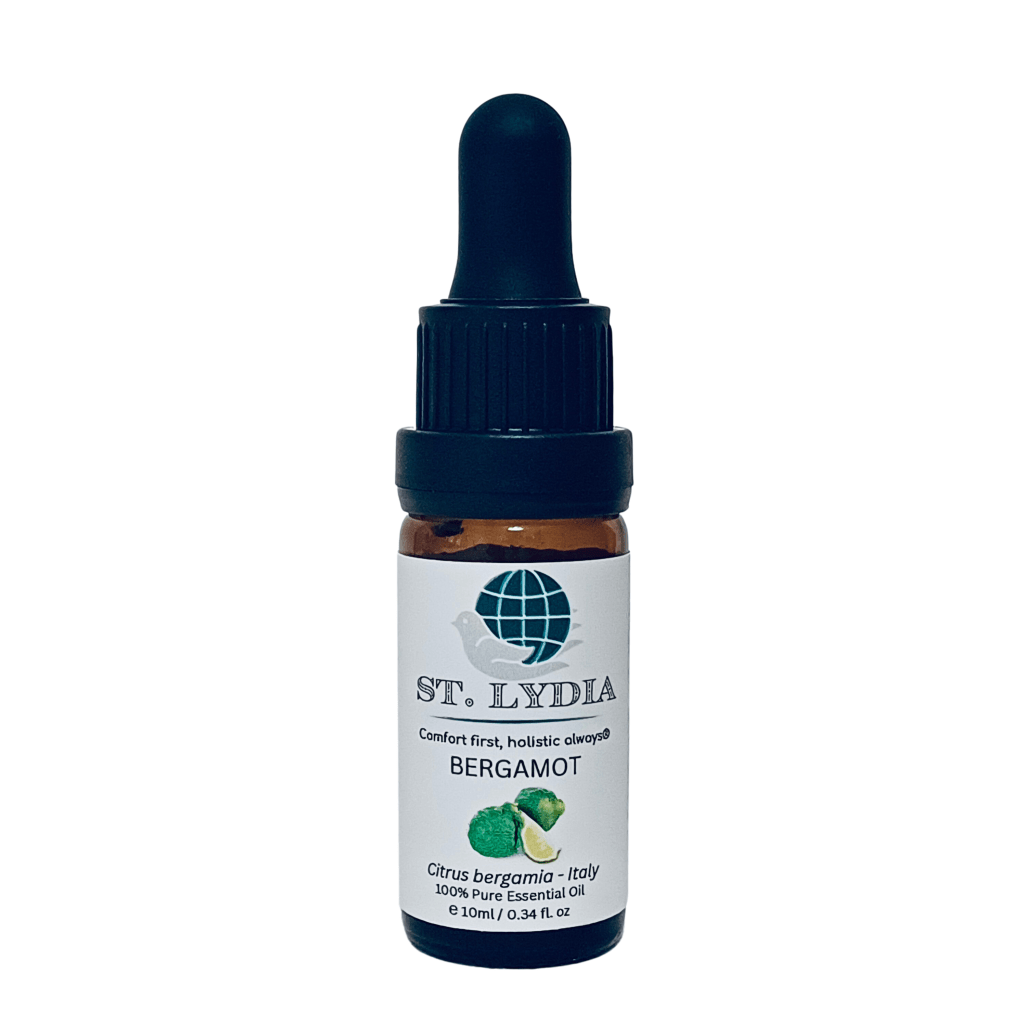
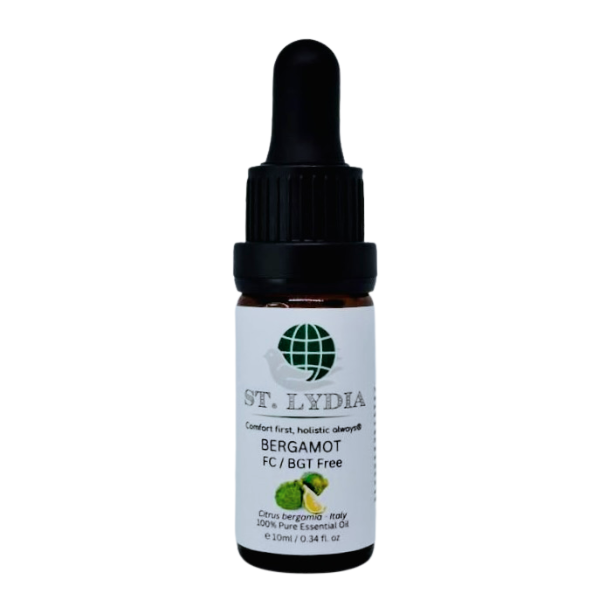
Bergamot Natural Essential Oil Bergapten / FC Free (Citrus bergamia) – Italy
$ 18.53
Bergamot Natural Essential Oil Bergapten / FC Free (Citrus bergamia) – Italy
✅ 100% Pure Natural Essential Oil ✅ Vegan-friendly and Cruelty-free ***Botanical Name*** Citrus bergamia ***Family*** Rutaceae ***Origin*** Italy ***Plant Part*** Fruit Peel ***Extraction Method*** Steam Distillation ***Aroma*** It has a refreshing, sweet with a warm spicy and floral undertones. ***Colour*** Pale Green ***Consistency*** Thin ***Note*** Top ***Strength*** Medium ***Blends With*** Bergamot essential oil harmonises well with a diverse range of essential oils, including Neroli, Sandalwood, Frankincense, Lavender, Geranium, Chamomile, and Ylang ylang. These are merely a few examples of essential oils that complement bergamot essential oil. By experimenting with various combinations, you can create distinctive aromas that cater to your preferences and therapeutic objectives. ***Chemical Composition*** Bergamot essential oil is composed of a wide variety of chemical compounds that contribute to its therapeutic properties. The exact composition can vary depending on factors like the geographic origin and the method of extraction. However, the primary chemical constituents of bergamot essential oil are as follows: Limonene, Linalyl acetate, Linalool, Neryl acetate, γ-Terpinene, β-Pinene, α-Pinene, and Terpinen-4-ol. While these are the primary constituents, the oil may also contain minor components in smaller quantities, which collectively contribute to its overall aroma and therapeutic properties. ***Storage Conditions*** Store this essential oil in a cool, dark location, shielded from direct sunlight, to prevent oxidation and degradation of its aromatic and therapeutic properties. ***Shelf Life*** 1 – 2 years ***Product Safety*** Free from potentially harmful substances like sulphates, parabens, phthalates, synthetic fragrances, formaldehydes, and mineral oil. ⚠️Caution⚠️ Bergamot essential oil offers numerous benefits, but it’s important to exercise caution when using it due to its specific characteristics. Here are some precautions to keep in mind when using bergamot essential oil: ***Skin Irritation*** Some individuals may experience skin irritation or allergic reactions when using this essential oil, especially if it is used undiluted or in high concentrations. Even though FCF is phototoxic-free, always dilute before applying to skin. Always perform a patch test by diluting the oil in a carrier oil (such as coconut oil or jojoba oil) and applying a small amount to a small area of skin to check for any adverse reactions before using it more extensively. A 1–2% dilution (5–10 drops per 30ml carrier oil) is generally safe. While FCF bergamot has most furanocoumarins removed, trace amounts may remain, so avoid prolonged sun exposure after use on skin, especially in sensitive individuals. Avoid contact with eyes, inner ears, and sensitive areas. ***Pregnancy and Nursing*** Pregnant and nursing women should consult with a healthcare professional before using this essential oil, as its safety during pregnancy and breastfeeding has not been well studied. ***Children and Pets*** All essential oils should be kept out of reach of children and pets. Children and pets are generally more sensitive to essential oils, and ingestion or improper use can lead to serious health issues. ***Internal Use*** While bergamot oil is commonly used in culinary applications, ingesting bergamot essential oil can be toxic and may lead to adverse effects such as vomiting, abdominal pain, and kidney damage. Always use food-grade bergamot oil from reputable sources and consult with a healthcare professional before internal use. ***Medical Conditions*** This oil may influence mood and serotonin levels, so those with bipolar disorder or psychiatric conditions should consult a healthcare provider before use. Although evidence is limited, citrus oils like bergamot may affect estrogen levels. Use caution in conditions like breast cancer, endometriosis, uterine fibroids, etc. ***Medications*** Be aware of potential interactions with medications. These include some antibiotics (e.g., tetracyclines, fluoroquinolones), diuretics, retinoids, and NSAIDs. This essential oil interact with antidepressants (SSRIs/SNRIs). May theoretically enhance serotonergic effects. It could possibly interact with mood-related medications, though research is limited. This oil may lower blood pressure slightly; this might enhance the effects of antihypertensive drugs and lead to hypotension. This oil may affect cytochrome P450 enzymes in the liver, potentially altering the metabolism of certain medications (similar to grapefruit). Medications affected may include: Statins (e.g., simvastatin, atorvastatin), Benzodiazepines, Immunosuppressants and Calcium channel blockers. ***Allergies*** If you’re allergic to citrus fruits (like oranges, lemons, or grapefruits), there’s a risk of cross-reactivity with this oil. Discontinue use if you experience any allergic reactions, such as skin irritation, respiratory issues, or headaches. Always seek advice from a qualified aromatherapist or healthcare provider before using this essential oil. ***Note*** Although essential oils have a longstanding history of use and are valued for their potential benefits, individual experiences may vary.